



Sustainability in the Textile Sector (STILE) II
The Sustainability in the Textile Sector (STILE) II project aims to support public and private actors in implementing measures to modernise Bangladesh’s textile and RMG industry in line with the sustainability requirements of the European Union (EU). The project focuses on enhancing policy frameworks, improving environmental and social standards, and fostering collaboration among stakeholders to ensure compliance with international sustainability norms.
Five‑Axis Transformation via STILE II
Data: The project conducts comprehensive assessments of existing sustainability practices within the textile and RMG sectors, identifying gaps and opportunities for improvement. It also gathers data on environmental impacts, resource usage, and social compliance to inform policy recommendations and sectoral strategies.
Capacity Building / Technical Assistance: STILE II provides training and technical support to government agencies, industry associations, and private sector entities to enhance their capacity in implementing and monitoring sustainability standards. This includes developing skills in areas such as environmental management, social compliance, and sustainable business practices.
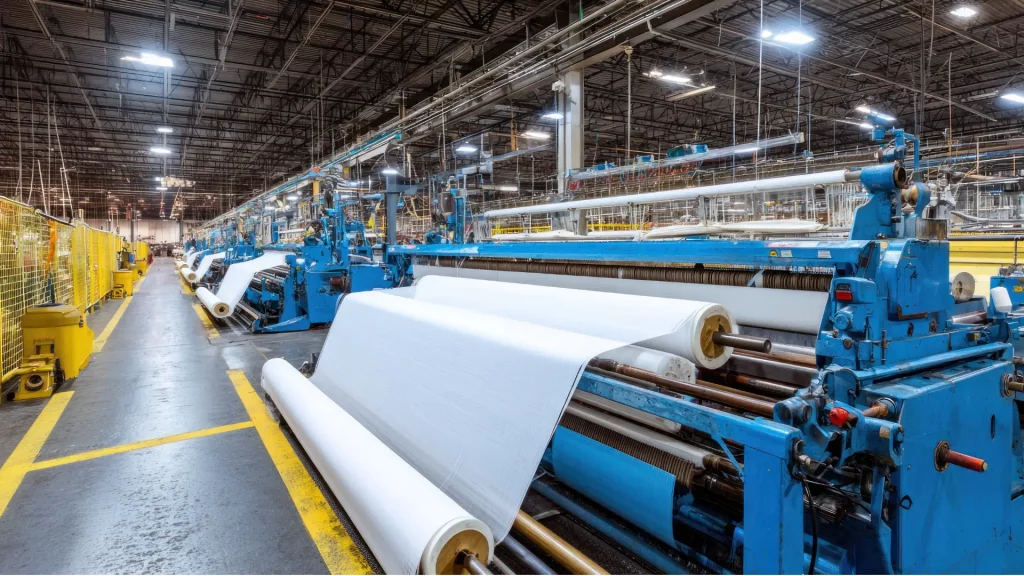
Technology / Machinery: The project promotes the adoption of cleaner production technologies and resource-efficient practices within the textile and RMG industries. It supports the introduction of technologies that reduce environmental footprints, such as energy-efficient machinery and waste minimisation systems.
Finance: STILE II facilitates access to financing for sustainability initiatives by connecting stakeholders with funding sources and supporting the development of financial mechanisms that incentivise sustainable practices. This includes exploring green financing options and encouraging investments in eco-friendly technologies.
Policy: The project works closely with the Ministry of Commerce (MoC) and the Export Promotion Bureau (EPB) to draft and validate policy recommendations that promote sustainability in the textile and RMG sectors. It also supports inter-ministerial dialogues and stakeholder consultations to align national policies with EU sustainability requirements.
Strategic Impact & Value Proposition
Enhanced Policy Frameworks: STILE II contributes to the development of robust policies that align Bangladesh’s textile and RMG industries with EU sustainability standards, facilitating smoother trade relations and market access.
Improved Industry Practices: The project aids in modernising industry practices by promoting the adoption of sustainable technologies and processes, leading to reduced environmental impacts and improved social compliance.
Strengthened Stakeholder Collaboration: Through fostering collaboration among government bodies, industry associations, and private sector entities, STILE II enhances collective efforts towards achieving sustainability goals in the textile and RMG sectors.
Capacity Development: By providing training and technical assistance, the project builds the capacity of key stakeholders to effectively implement and monitor sustainability initiatives, ensuring long-term impact and compliance.
Market Competitiveness: Aligning with EU sustainability requirements enhances the competitiveness of Bangladesh’s textile and RMG industries in the global market, attracting environmentally conscious consumers and investors.