


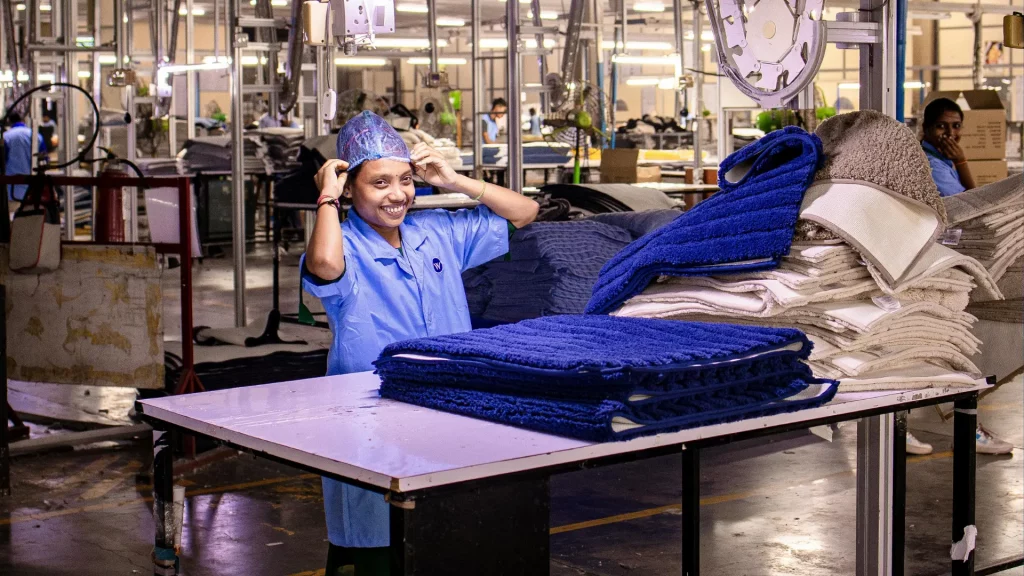

Clean by Design Bangladesh: Improving Resource Efficiency in Textile and Apparel Manufacturing
Clean by Design Bangladesh is a resource efficiency programme that supports textile and apparel factories in adopting operational best practices to improve energy and water efficiency. Implemented as part of the Apparel Impact Institute’s broader Clean by Design initiative and funded by CPS, the programme focuses particularly on wet-processing and material production facilities where resource consumption is highest. By identifying low-cost operational improvements and strengthening resource management practices, the initiative helps factories reduce environmental impacts, lower operational costs, and improve sustainability performance across the supply chain.
Five-Axis Transformation via Clean by Design Bangladesh
Data
The programme begins with baseline assessments and efficiency scans that evaluate each factory’s resource consumption patterns. Facilities collect and analyse data on energy use, water consumption, and operational inefficiencies, enabling evidence-based planning and monitoring of improvements over time.
Capacity Building / Technical Assistance
Factories receive technical guidance from sustainability experts who help identify opportunities for operational improvements and resource management. Through training sessions, on-site visits, and action planning, the programme builds the capacity of factory management and technical teams to implement efficiency measures and maintain improved operational practices.
Technology / Machinery
The initiative focuses primarily on optimising existing systems rather than large-scale equipment replacement. Recommended interventions include improvements in boiler efficiency, insulation, steam systems, compressed air optimisation, and heat recovery from wastewater or exhaust systems. Additional practices such as leak detection, condensate recovery, and water reuse help enhance the performance of existing infrastructure.
Finance
Many of the improvements promoted by Clean by Design involve low-cost or operational adjustments that offer rapid financial returns. Most efficiency projects deliver payback within a relatively short timeframe, demonstrating that sustainability improvements can simultaneously reduce operational costs and strengthen factory profitability.
Policy
The programme contributes to broader industry transformation by engaging brands, suppliers, and technical partners in collaborative efforts to reduce environmental footprints in apparel manufacturing. By demonstrating scalable resource efficiency practices, the initiative supports alignment with global climate commitments and encourages adoption of higher environmental standards within supply chains.
Strategic Impact & Value Proposition
Reduced Energy and Water Consumption
By implementing operational best practices, participating factories can achieve meaningful reductions in resource use, helping to lower both environmental impacts and production costs.
Lower Carbon and Environmental Footprint
Efficiency improvements contribute to reductions in greenhouse gas emissions and chemical impacts, supporting industry progress toward climate and sustainability targets.
Cost-Effective Sustainability Improvements
The programme demonstrates that significant environmental gains can be achieved through low-cost operational adjustments, enabling factories to improve efficiency without major capital investment.
Strengthened Supply Chain Collaboration
Through engagement with global brands, technical experts and manufacturing partners, the initiative promotes shared responsibility for improving environmental performance across the apparel value chain.
Scalable Industry Transformation
By establishing practical and replicable operational practices, Clean by Design provides a foundation for broader sustainability upgrades, helping textile and apparel manufacturers progress toward long-term decarbonisation and resource efficiency.