


Just Transition in Bangladesh’s Brick Kiln Sector: Evidence for an Equitable Low-Carbon Transformation
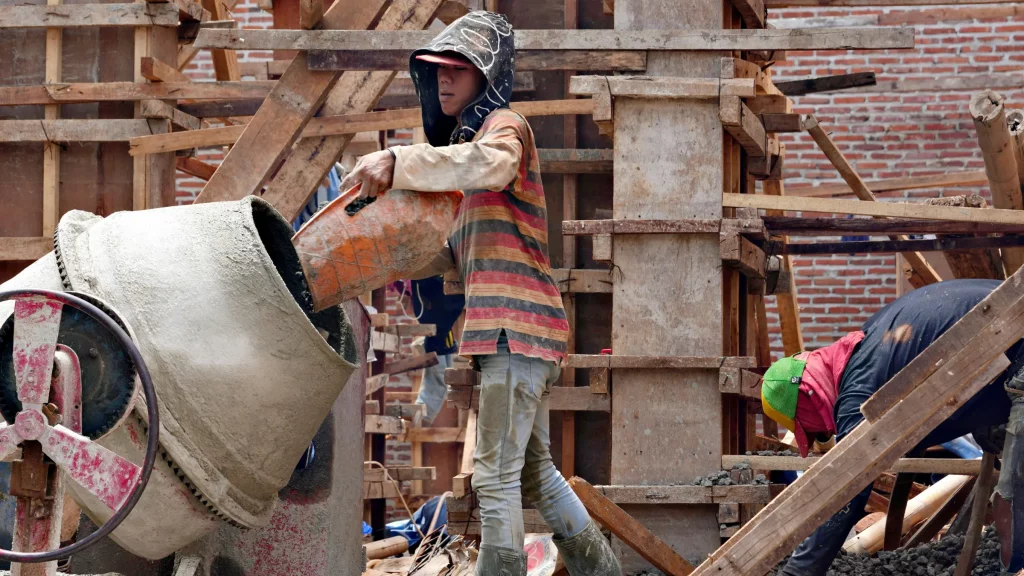
This research initiative examines the social and economic implications of Bangladesh’s transition from traditional Fixed Chimney Kilns (FCKs) to cleaner and more energy-efficient technologies, including Zig Zag and Vertical Shaft Kilns (VSBKs). Focusing on low-income brick kiln workers in the greater Dhaka region, the study applies the International Labour Organization’s Just Transition framework to understand how technological change affects workers’ social networks, financial wellbeing and access to decent work. The findings aim to generate evidence that informs more equitable policies for decarbonising the brick manufacturing sector while protecting vulnerable workers and communities.
Five-Axis Transformation via the Brick Kiln Just Transition Research
Data
The project generates primary evidence on the socio-economic impacts of cleaner brick kiln technologies through field surveys, interviews and labour market analysis. It examines changes in employment conditions, income, social capital, migration patterns and workers’ access to decent work, providing an evidence base for future policy and programme development.
Capacity Building / Technical Assistance
The research strengthens the capacity of policymakers, researchers and development practitioners by providing practical insights into the social dimensions of industrial decarbonisation. It also promotes greater understanding of Just Transition principles among stakeholders involved in environmental regulation, labour governance and brick sector development.
Technology / Machinery
The study evaluates the transition from traditional Fixed Chimney Kilns to cleaner technologies such as Zig Zag and Vertical Shaft Kilns, assessing not only their environmental benefits but also their effects on employment, skills requirements and workplace organisation. This integrated perspective helps identify strategies for adopting cleaner technologies without exacerbating worker vulnerability.
Finance
The initiative analyses how technological transitions influence workers’ livelihoods, household income and financial security. It identifies economic risks associated with changes in production systems and highlights the need for complementary financial support, livelihood diversification and social protection measures to ensure an equitable transition.
Policy
A central objective of the research is to inform evidence-based policymaking for Bangladesh’s brick manufacturing sector. By applying the ILO’s Just Transition framework, the study provides recommendations on labour policies, environmental regulation, social protection and workforce transition strategies that balance climate objectives with social inclusion.
Strategic Impact & Value Proposition
Evidence-Based Just Transition Planning
The research provides policymakers with robust evidence on how low-carbon industrial transformation affects workers, enabling more balanced and inclusive climate and industrial policies.
Worker-Centred Decarbonisation
By highlighting the experiences of low-income brick kiln workers, the initiative ensures that social equity and decent work considerations remain central to environmental reform.
Improved Understanding of Technology–Labour Interactions
The study demonstrates how cleaner production technologies influence employment patterns, workplace organisation and community dynamics, supporting more informed technology adoption strategies.
Strengthened Policy for Inclusive Climate Action
The findings contribute to the development of labour-sensitive environmental policies that integrate social protection, skills development and livelihood support into Bangladesh’s brick sector transition.
Supporting Sustainable Transformation of the Brick Industry
By linking environmental performance with worker wellbeing, the initiative promotes a more resilient, competitive and socially responsible brick manufacturing sector that aligns with national climate and sustainable development objectives.
