



Adaptation Initiative for Climate-Vulnerable Offshore Small Islands and Riverine Charland in Bangladesh
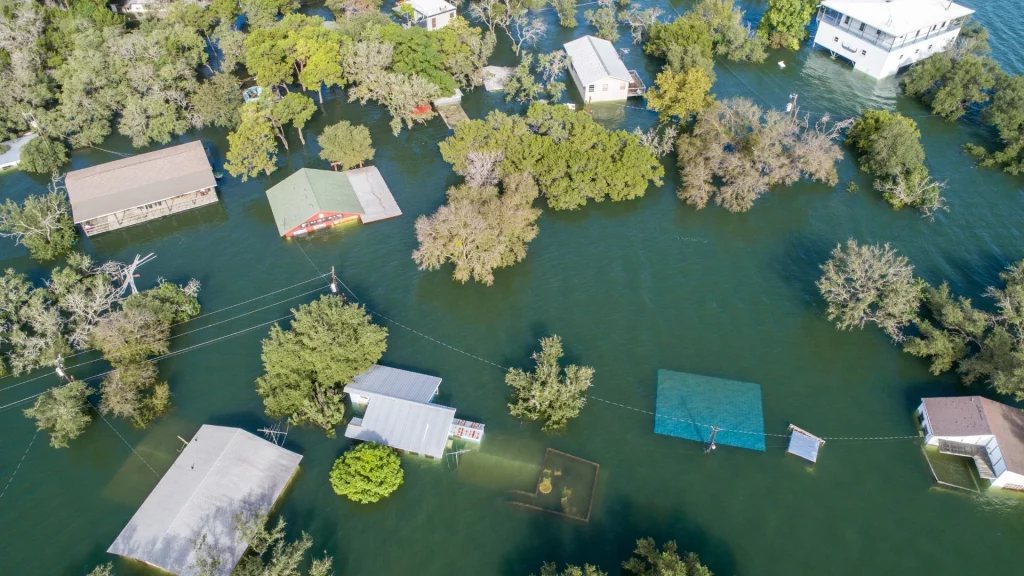
The initiative aims to enhance the climate resilience of vulnerable communities living in coastal islands and riverine charlands in Bangladesh. These communities face multiple climate threats—cyclones, floods, salinity intrusion, drought, and sea-level rise—which undermine their housing, livelihoods, water access and infrastructure. The project supports households, local infrastructure, disaster preparedness systems, and capacity development to reduce vulnerability and promote climate-resilient development.
Five-Axis Transformation via the Charland Islands Adaptation Project
Data: Baseline assessments and climate risk mapping are used to identify exposure to hazards and vulnerabilities; data is collected to guide planning, design resilient housing, and target interventions.
Capacity Building / Technical Assistance: Communities, government bodies and local institutions receive training in climate-resilient agricultural practices, diversified livelihood options, disaster preparedness, and early warning systems. Gender sensitivity is built into emergency response and broader planning.
Technology / Machinery: The project supports the installation of nano-grids for electrification, climate-proof water systems (rainwater harvesting, etc.), and improved technology for resilient construction and infrastructure (embankments, flood-resistant houses).
Finance: The grant and project funding underwrites implementation costs; it helps reduce financial barriers for vulnerable households to adopt resilient housing, livelihoods, and adaptation infrastructure. Project cost components are allocated across four thematic areas (housing & water, infrastructure, livelihoods, and capacity).
Policy: Engagement with local and national government shapes policy and capacity for climate-resilient development; knowledge generated is leveraged to inform planning, investment, and adaptation strategies in chars. Institutional capacity is strengthened to embed these practices in government planning.
Strategic Impact & Value Proposition
Enhanced Resilience: By supporting resilient housing, improved water access, infrastructure, and livelihood diversification, communities are better able to withstand climate shocks and stresses.
Improved Food Security and Livelihoods: Diversified and climate-sensitive livelihood options help stabilize income, reducing dependence on climate-vulnerable agriculture alone.
Gender-Equitable Outcomes: Design and implementation include gender sensitivity, recognising that women are often disproportionately impacted; ensuring they benefit from improved housing, services and participation.
Better Disaster Preparedness: Strengthened early warning systems, risk mapping, and modernised community safety infrastructure reduce losses from cyclones and floods.
Knowledge & Institutional Strengthening: Building capacity of both communities and government enables sustainable and locally appropriate adaptation; lessons learned can influence future policy and broader adaptation efforts.