



Climate Adaptation and Resilience for South Asia (CARE)
The CARE project aims to create an enabling environment for climate-resilient policies and investments in selected sectors across South Asia. It seeks to improve climate planning, strengthen institutional capacities, promote standards and tools for climate resilience, and support innovative technologies and pilot investments in agriculture, livestock, water, and transportation sectors. Work includes assessing climate impacts at district level, fostering cross-country collaboration, and enhancing evidence-based decision making for adaptation and resilience.
Five-Axis Transformation via CARE
Data: CARE conducts climate impact assessments across vulnerable districts in Bangladesh, Nepal, and Pakistan. It develops public platforms and mapping tools to inform climate risk, vulnerability, and investment priorities.
Capacity Building / Technical Assistance: The project supports governments, regional bodies, and local institutions to strengthen technical skills, integrate climate-smart planning into sectoral policies, and adopt resilience standards.
Technology / Machinery: Pilot or disruptive technology solutions are supported, especially those which help in climate adaptation (for example in agricultural technology, water management, early warning systems) to demonstrate scalable resilience interventions.
Finance: The project facilitates access to financing for adaptation measures, provides grant-funded innovation support, and supports the formulation of investment plans to mobilise both public and private climate finance.
Policy: CARE works to integrate climate resilience into national and sectoral policies, standards, and guidelines. It also promotes harmonisation of policies across countries in South Asia, and the adoption of climate-resilient design and planning norms in key sectors.
Strategic Impact & Value Proposition
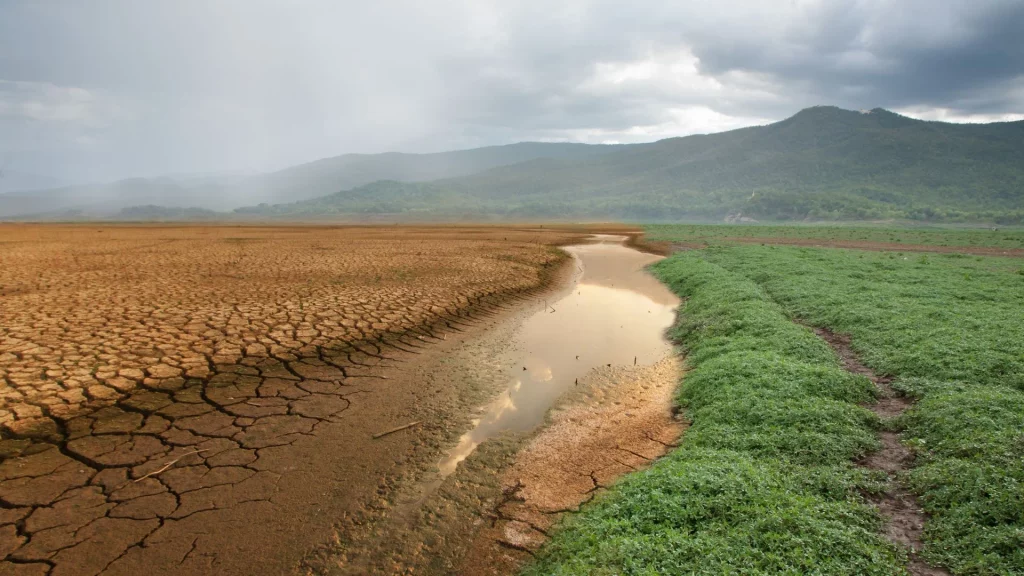
Improved Resilience: Communities, institutions, and sectors are better prepared for climate risks like drought, floods, and extreme weather, reducing vulnerability and potential losses.
Evidence-Based Decision Making: Better data and risk assessment tools help governments plan interventions more effectively and with stronger technical justification.
Regional Cooperation & Learning: Cross-country collaboration (among Bangladesh, Nepal, Pakistan) enables sharing of best practices, harmonised standards, and joint learning, which accelerates adaptation.
Innovation & Scalability: By piloting new technologies and approaches, CARE helps test models that can be scaled up across South Asia or in other similar contexts.
Policy & Institutional Strengthening: Strengthened capacities in national bodies and integration of resilience into planning/ policy frameworks provides long-term structural change, beyond individual projects.