



Promoting an Environmentally Friendly, Social and Competitive Textile & Clothing Industry in Asia
The GIZ FABRIC initiative aims to strengthen collaboration among key stakeholders in the Asian textile and clothing industry—including producers, trade associations, government agencies, trade unions, civil society and international brands—to improve production conditions and reduce environmental impact. It works across several countries in Asia, promoting socially just and resource-efficient practices while maintaining industry competitiveness.
Five-Axis Transformation through GIZ FABRIC
Data: The project develops knowledge products, carries out research on environmental and social indicators, shares best practices and tools through digital platforms, and monitors environmental footprints such as energy, chemicals, wastewater and greenhouse gas emissions.
Capacity Building / Technical Assistance: It supports factories, associations and governmental bodies with training, advisory services, and capacity development to adopt improved labour standards, environmental management, gender-sensitive workplace policies, and sustainable procurement practices.
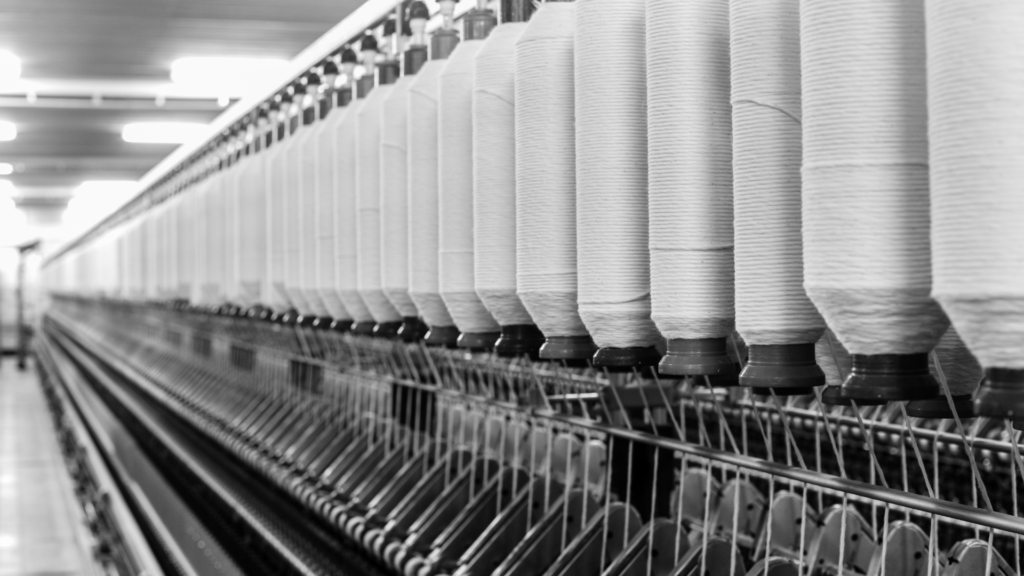
Technology / Machinery: Encourages adoption of resource-efficient production processes and cleaner technologies—such as improved wastewater treatment, energy-efficient equipment, safer chemical usage—to reduce environmental burdens in textile and clothing manufacturing.
Finance: By bringing together brands and producers, the project helps mobilise finance for sustainability upgrades. It promotes better commercial terms, shared responsibility for costs of sustainability, and investment into environment-friendly production methods.
Policy: The initiative facilitates dialogue among public and private sector actors to shape policies that enforce sustainability standards, support decent working conditions, promote fair trade terms, and ensure that environmental norms are integrated into regulation and industry codes.
Strategic Impact & Value Proposition
Improved Working Conditions: Workers in participating countries benefit from enhanced labour standards, safer and more equitable workplaces, including gender-sensitive practices.
Environmental Benefits: Reduced resource consumption, less pollution (air, water, chemical waste), lower carbon emissions and better environmental management across factories.
Enhanced Competitiveness: Factories that meet robust sustainability and social criteria are better positioned to access premium markets, maintain trade relationships, and avoid regulatory or reputational risks.
Sectoral Cooperation: Through regional networks, shared learning, and collaborative initiatives, the project helps harmonise approaches to sustainability, reducing duplication and increasing impact.
Sustainability & Resilience: By embedding environmental and social improvements into standard practice, the industry becomes more resilient to external shocks—whether regulatory, market-driven, or environmental.